
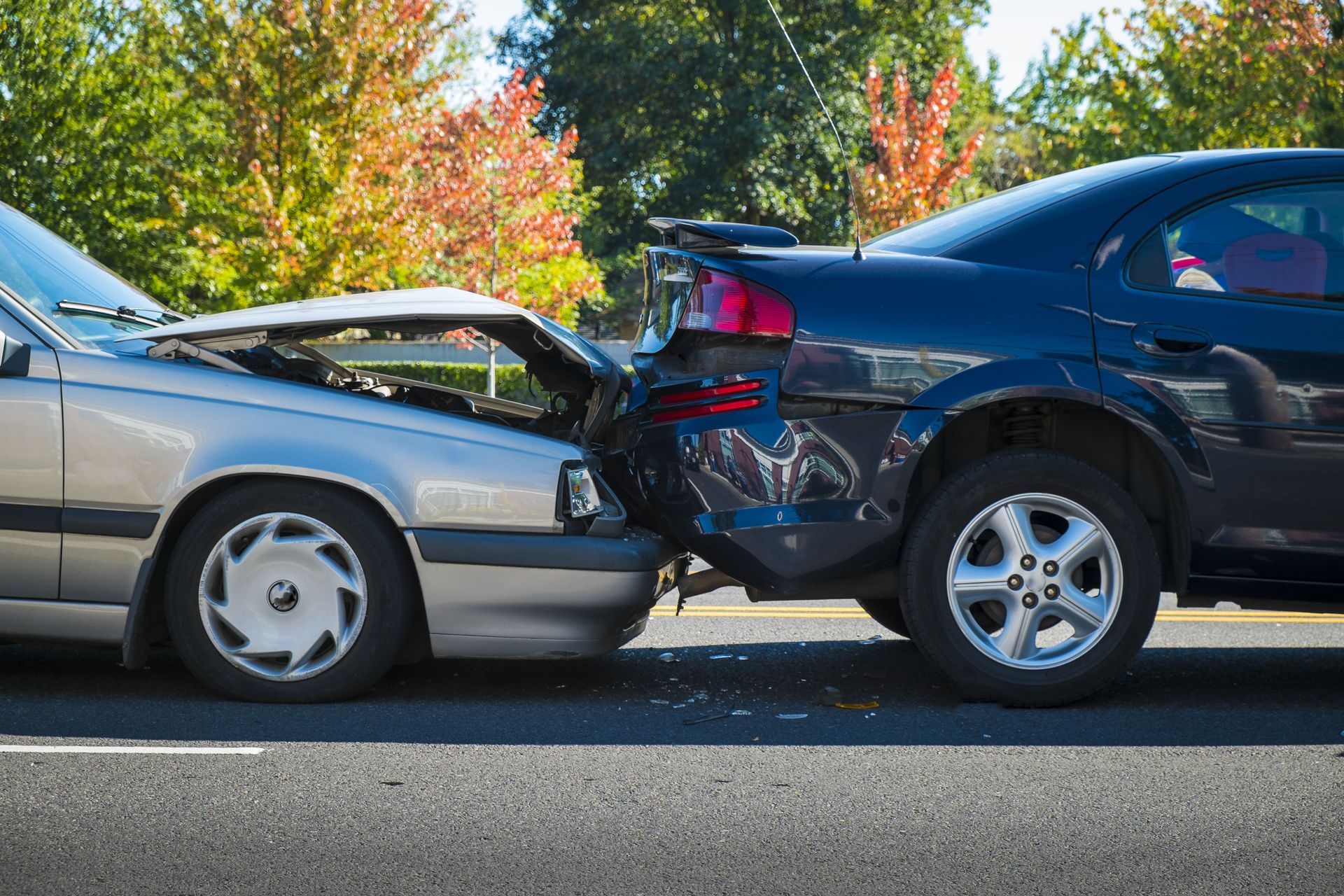
When your vehicle gets into an accident, the decision of whether to repair it or consider it totaled can be overwhelming. Factors such as the extent of damage, repair costs, and the vehicle's age all play a role in determining whether it's worth fixing or if it should be written off entirely. In this article, we'll provide a guide to automotive services and help you navigate this critical decision to make the best choice for your vehicle and your budget.
Understanding Total Loss and Repairable Damage
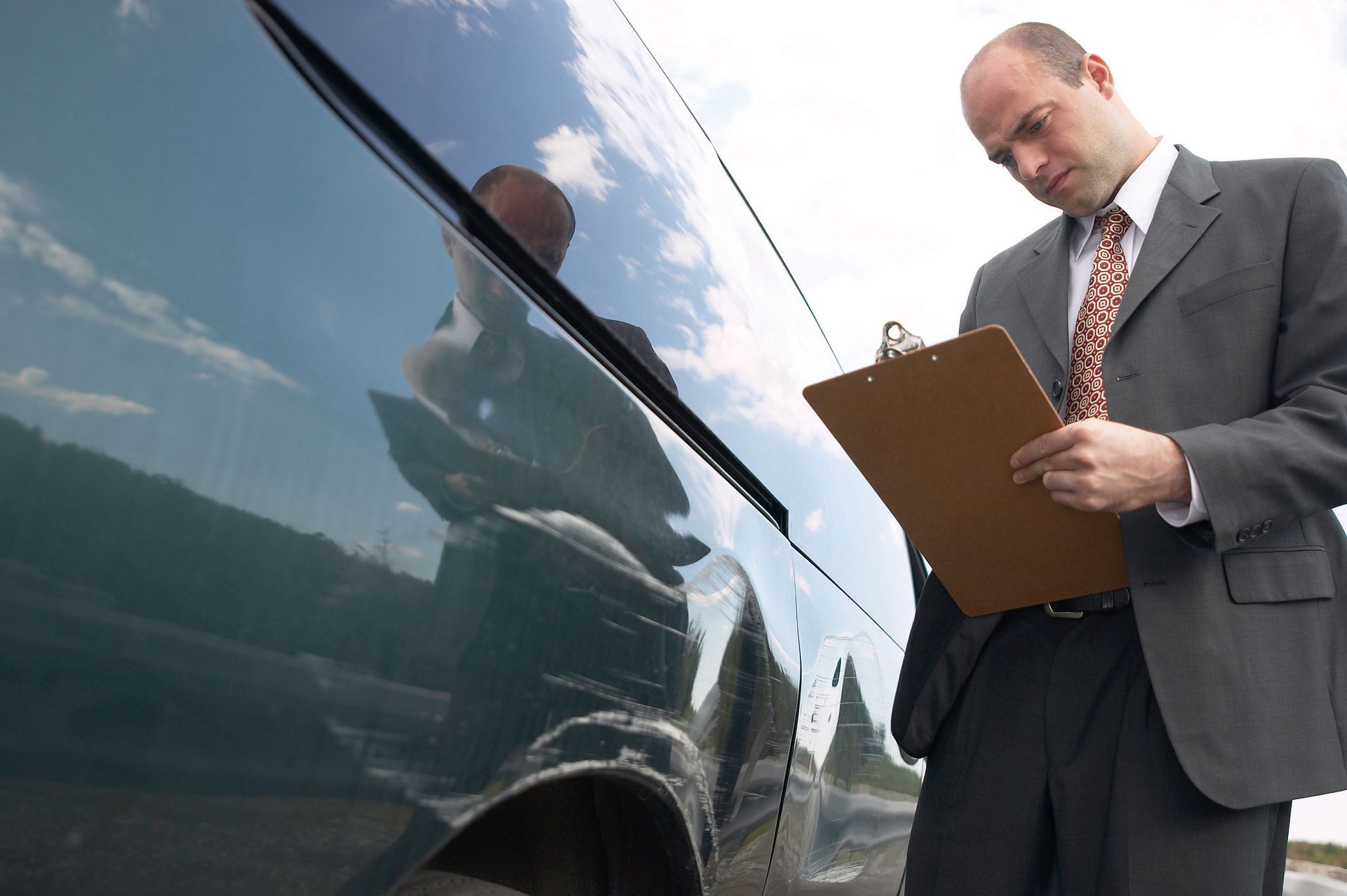
When your car is involved in an accident, the first step is to assess the extent of the damage. A vehicle is considered a total loss when the cost of repairs exceeds its current market value. Insurance companies typically use a formula to calculate this threshold, factoring in the cost of repair, the car's value, and the cost of labor. If the repairs are too costly or the vehicle's market value is too low, it may be declared a total loss, meaning it is no longer worth repairing.
On the other hand, repairable damage refers to situations where the cost of repairs is reasonable in relation to the vehicle's value. While these repairs may be expensive, they typically do not exceed the vehicle's market worth. In many cases, minor damage such as dents, scratches, or even collision damage can be fixed efficiently with automotive services, restoring the vehicle to its pre-accident condition without financial loss. Understanding the difference can help you make an informed decision about whether to repair or replace your vehicle.
Evaluating Repair Costs
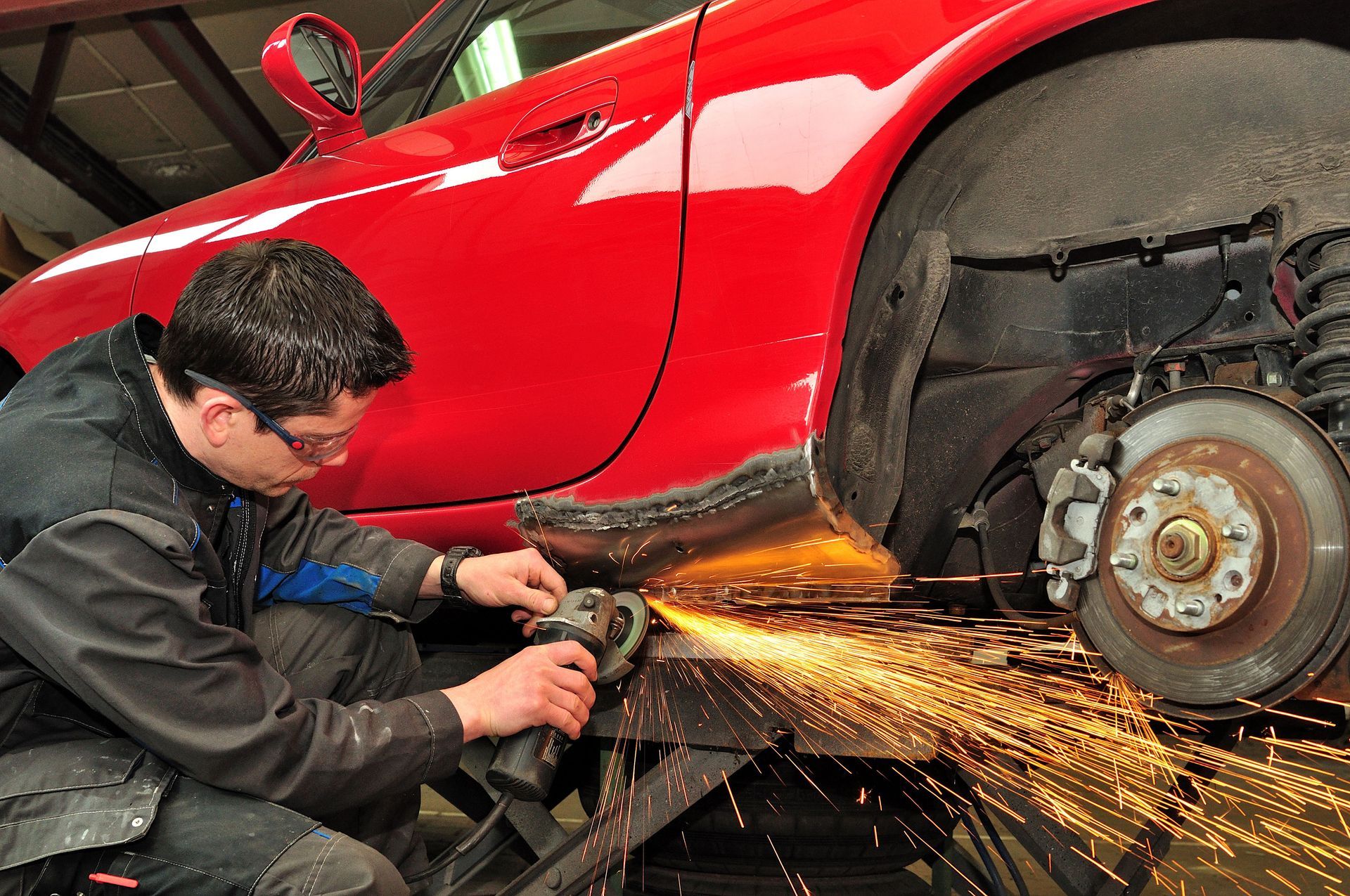
Before deciding whether your vehicle is worth repairing, it is essential to assess the cost of repairs. A qualified auto body shop will provide you with an estimate, which will include parts, labor, and any additional costs for painting or refinishing. The complexity of the damage will also play a significant role in the cost. For example, a damaged frame or engine may require more expensive parts and specialized labor, while cosmetic damage, such as minor dents and dings, can often be fixed at a lower cost.
According to AAA, it is estimated that 80% to 90% of minor dents and dings can be repaired using PDR (paintless dent repair), a more cost-effective and efficient technique compared to traditional methods. However, for more serious damage, such as engine or frame issues, the cost may quickly add up, and repairing the vehicle may no longer be worth the expense. Keep in mind that you should also factor in the age of the car; older vehicles may not be worth repairing if the repair costs exceed the car's market value.
Understanding the Role of Insurance
Your insurance policy plays a significant role in the decision to repair or replace your vehicle. Depending on the type of coverage you have, your insurance company may cover the cost of repairs or declare the car a total loss. In the case of a total loss, the insurance company will typically offer a payout based on the vehicle's current market value, minus your deductible. If you choose to repair your car, you'll need to check with your insurer to see what portion of the repair costs they will cover and whether it aligns with your budget.
In some cases, the insurance company may offer to pay for repairs that fall within the total loss threshold. However, the payout may not be sufficient to cover the cost of repairs, leaving you to pay the difference. It's essential to review your policy and speak with your insurance adjuster to understand the terms of your coverage and determine if the repair costs are feasible. Understanding how your insurance company handles repair and total loss claims will help you make the most informed decision about your vehicle's future.
Addressing Minor Damage with Automotive Services
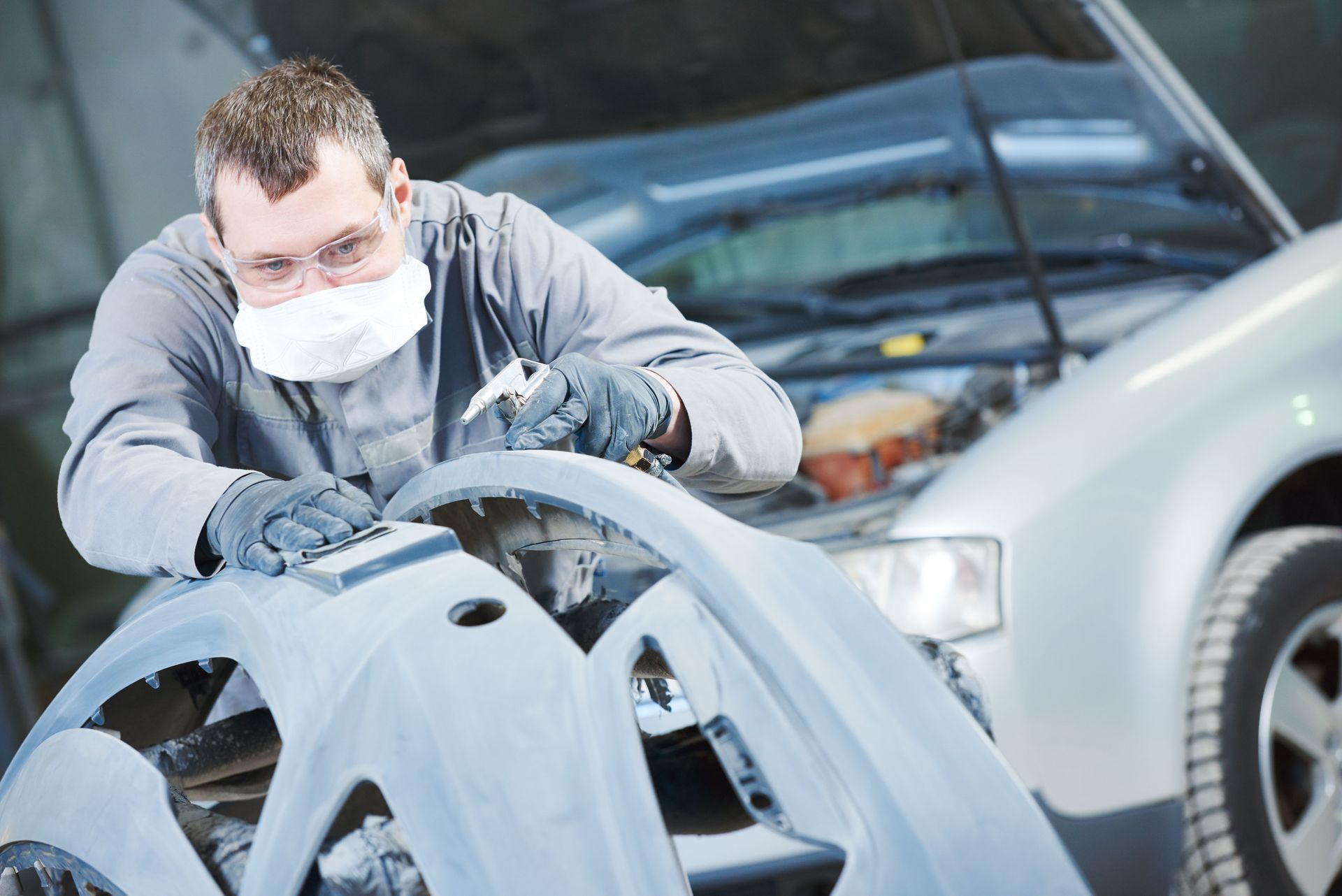
While major accidents may lead to costly repairs or total loss claims, minor damage can often be fixed efficiently through automotive services, saving you money and time. Minor dings, scratches, and small dents are common after a collision or fender-bender. These types of repairs are often straightforward and less expensive than more extensive repairs. Many auto body shops offer specialized services such as PDR (paintless dent repair) that can remove minor dents without damaging the paint, keeping the repair costs low.
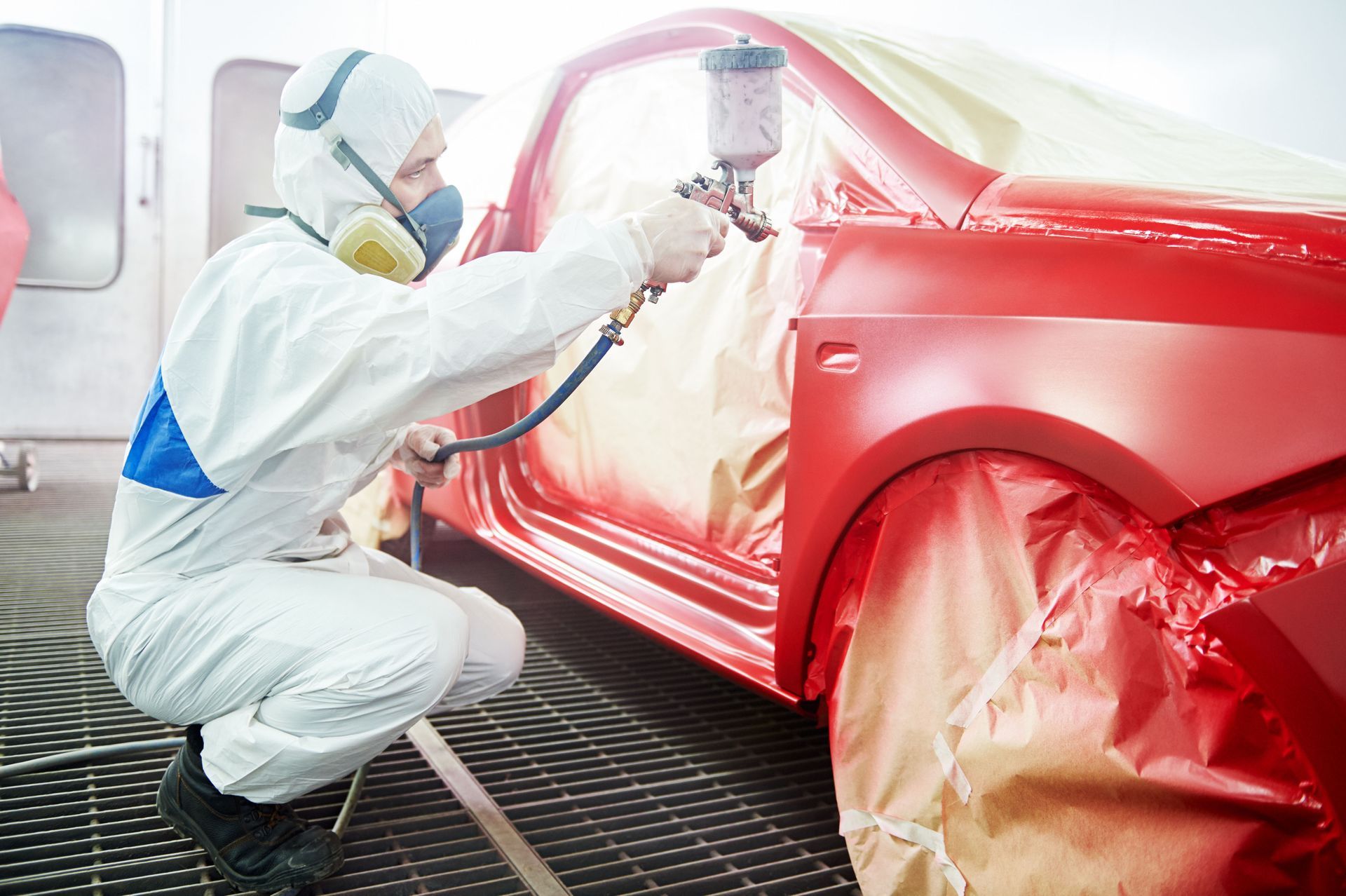
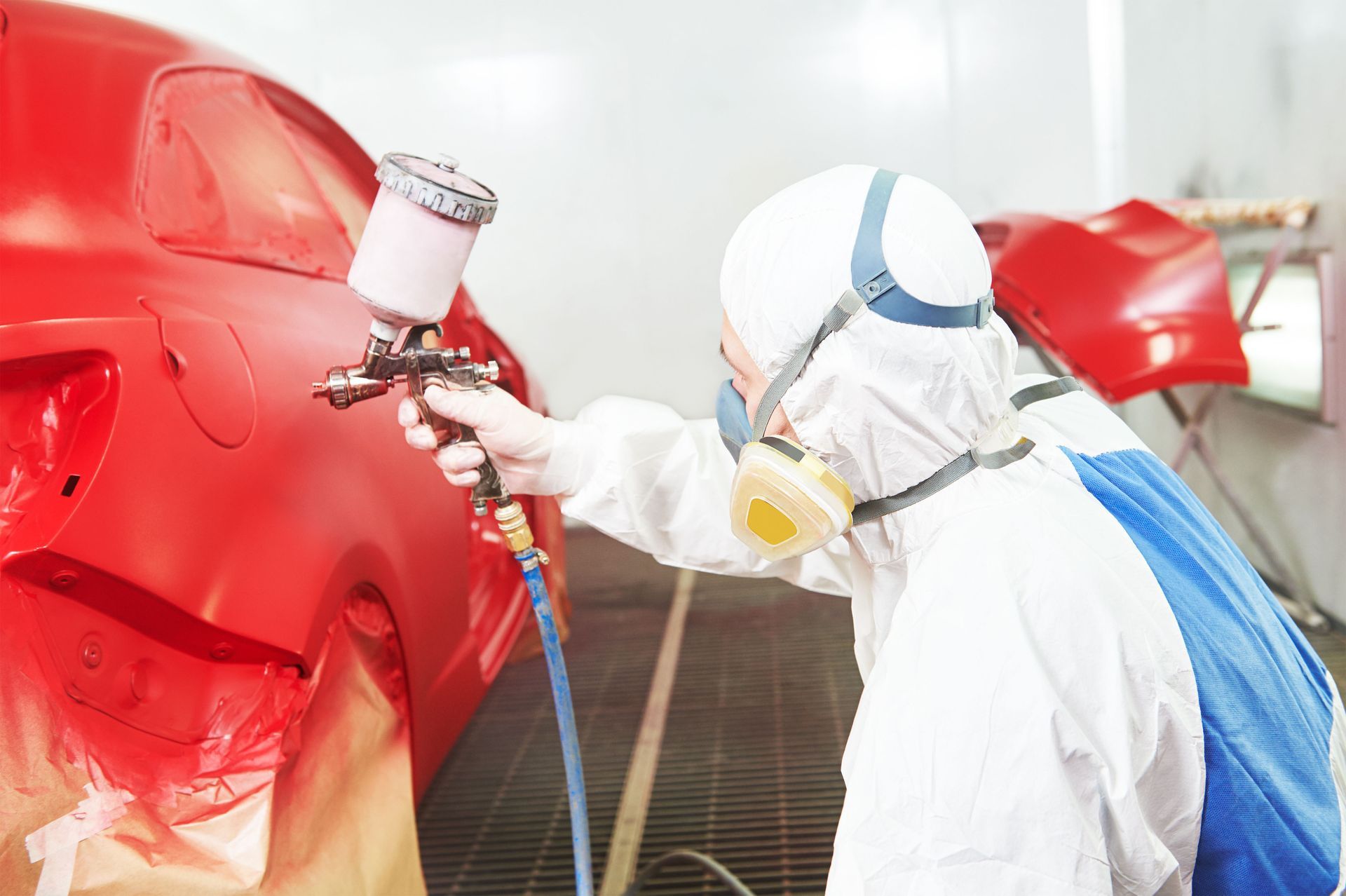
Additionally, cosmetic repairs such as fixing scratches or repainting panels are usually much more affordable than structural repairs. If the damage to your vehicle is primarily cosmetic and does not affect the performance or safety of the car, it may be worth considering automotive services for repairs. Addressing cosmetic issues quickly can prevent further deterioration and help maintain the appearance and value of your vehicle. Don’t assume that all accidents result in costly repairs; minor damage can often be fixed quickly and affordably with the right services.
Repairing Your Vehicle on Time
One of the most significant advantages of repairing your vehicle promptly is that it helps maintain its value. Even minor damage can decrease the resale value of your car if left unaddressed. By opting for automotive services as soon as possible, you preserve your car’s appearance and performance, ensuring that it remains in good condition for years to come. Additionally, timely repairs prevent further damage that may result from delaying repairs. For example, water can seep into damaged areas, causing rust, which can further degrade your vehicle’s condition.
Another benefit of timely repairs is that they help restore your vehicle’s safety features. After a collision, even if the damage appears minor, it may have affected vital components such as the airbags, suspension, or braking system. Repairing these systems promptly ensures that your car remains safe to drive and that all its features are fully functional. By addressing issues immediately, you reduce the risk of further damage and ensure your car’s longevity and safety on the road.
Choosing a Trusted Automotive Service Provider
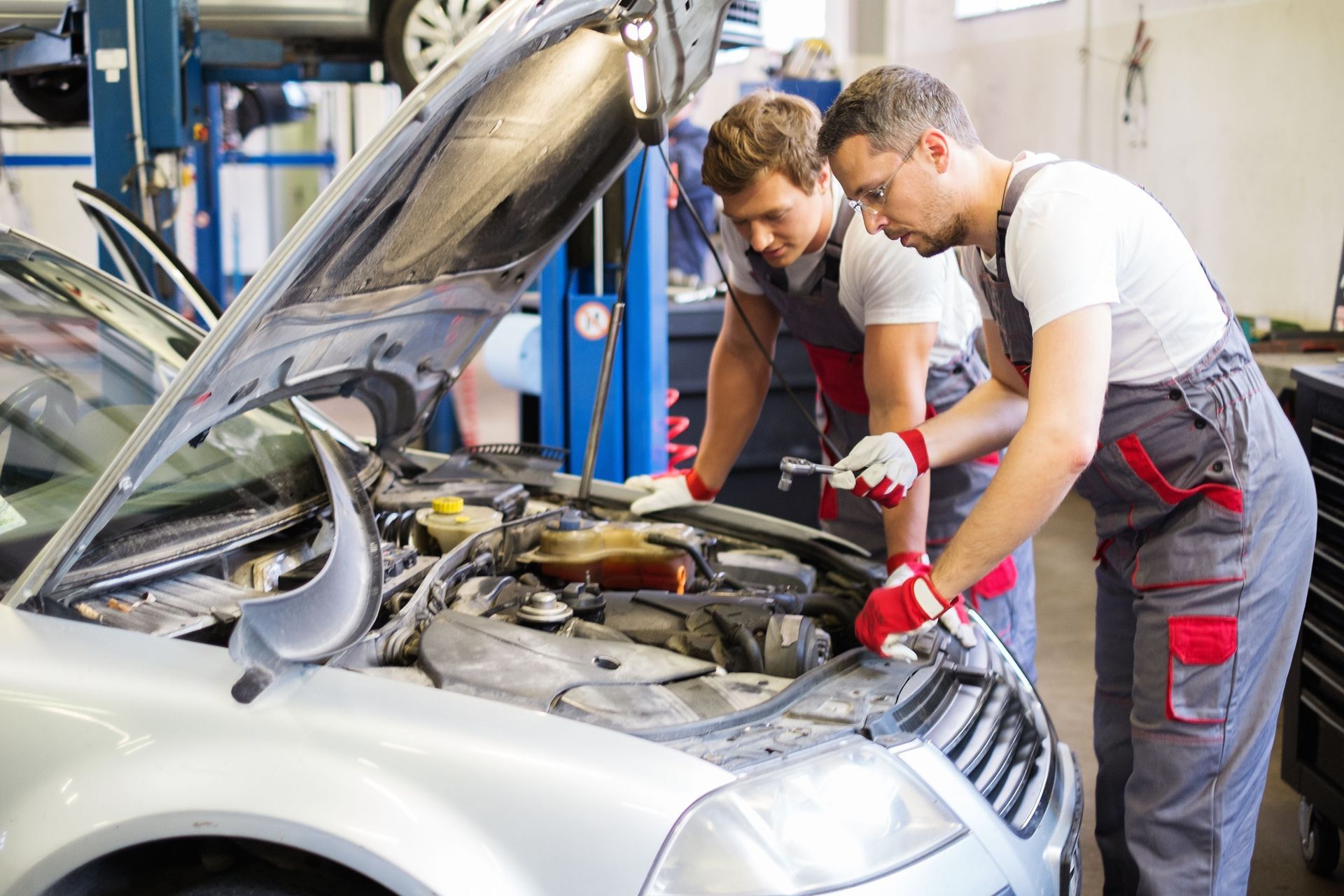
Choosing the right automotive service provider is crucial in ensuring that your vehicle receives high-quality repairs. Look for a reputable auto body shop with experience in handling the type of repairs your car requires. Reading customer reviews, checking certifications, and asking for recommendations from friends or family can help you find a trusted service provider. It’s important to ask about the shop’s repair process, timelines, and warranties on the work done to ensure that you are getting the best value for your money.
Additionally, make sure that the automotive services offered align with the specific needs of your vehicle. Some shops specialize in certain types of repairs, such as paintless dent repair, while others may focus on more extensive body repairs or mechanical services. By choosing the right shop for the job, you can ensure that the repair process is completed efficiently and to the highest standard. Don’t settle for subpar service; invest in a provider that will give your car the care and attention it deserves.
Whether your vehicle is totaled or repairable depends on several factors, including the cost of repairs, insurance coverage, and the extent of the damage. By understanding these factors and consulting with a reputable automotive service provider, you can make an informed decision about your vehicle's future. Don’t hesitate to contact First Stop Auto Body & Service for all your automotive repair needs and get back on the road safely and efficiently. Our expert automotive services are here to help you make the best choice for your vehicle.

Share On: