Navigating the auto repair and insurance landscape can often be daunting for vehicle owners. This article explores the complex but essential relationship between repair shops and insurance companies, providing insights into the process, challenges, and mutual benefits involved. Grasping how these two entities collaborate makes it easier to appreciate the mechanisms that restore vehicles to their pristine condition post-accident. The collaboration begins from the moment an accident occurs, encompassing insurance claims, assessments, negotiations, and ultimately, vehicle repairs. By delving deep into this multifaceted relationship, you gain valuable insights that make your claims process and subsequent collision repair experience smoother and much more efficient.
Evaluating Liability Coverage Options
Liability coverage is mandatory in most states and covers damages inflicted on another driver or property in an accident where the insured is at fault. This insurance does not cover the policyholder's own vehicle damages, making it critical to fully grasp its scope. It serves the primary purpose of protecting the insured from personally bearing the costs of damages or legal fees. A well-understood liability coverage plan ensures peace of mind for drivers on the road. Additionally, it underscores the importance for drivers to consider supplementary coverages to avoid potential gaps when scheduling an auto body repair.
Reviewing Collision Coverage Details
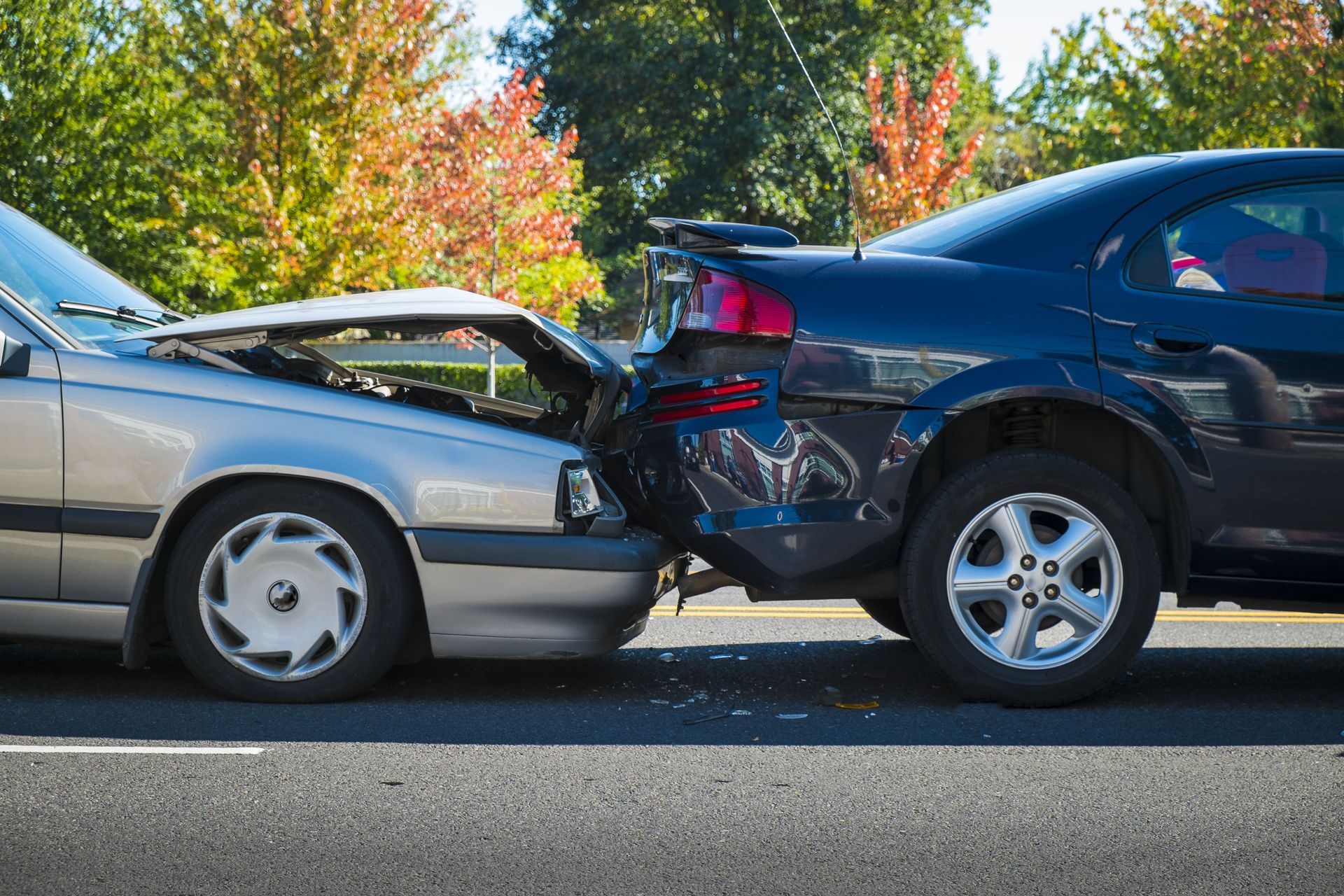
Collision coverage pays for repairs to the policyholder's vehicle post-accident, regardless of fault. This type of coverage is critical for drivers who wish to protect their investments, particularly for newer or leased cars. Having this coverage can significantly reduce out-of-pocket expenses in the event of an accident requiring extensive collision repair. It is vital for policyholders to comprehend their deductibles and limits under this coverage to avoid unwelcome financial surprises. Often, combining this plan with comprehensive insurance provides broader protection.
Analyzing Comprehensive Coverage Plans
Comprehensive coverage addresses damages that are not caused by direct impacts with another vehicle. Events such as theft, vandalism, or natural disasters fall under this category. It offers financial ease by covering a wide array of unpredictable events that might require auto body repair or paint repair. Drivers without comprehensive coverage might face hefty out-of-pocket expenses for non-collision-related damages. Grasping these details can encourage drivers to tailor their policies for better protection against unexpected life events.
Guarding Against Uninsured Motorists
Uninsured motorist protection offers a safety net when the at-fault driver lacks sufficient coverage. Given the increasing rates of uninsured drivers, this coverage has become more prominent in recent years. According to Autobody News, 30% of motorists operate their vehicles while distracted on the road, which drastically increases the likelihood of unpredictable accidents. Such statistics underline the importance of adequate protection. Without this coverage, policyholders risk bearing costs for accidents they did not cause, complicating any required auto body insurance work.
Filing a Claim With Insurance
The first step in the claims process is the prompt reporting of the accident to the insurance company. Quick reporting helps in accurate data recording and immediate assistance from the insurance provider. Most insurance companies offer round-the-clock claim reporting through online portals, apps, or toll-free numbers, ensuring absolute convenience. It is crucial for policyholders to detail the incident as accurately as possible during the initial reporting phase. This detailed reporting aids in the swift processing and assessment of the claim for your upcoming collision repair.
Gathering Essential Documentation Requirements
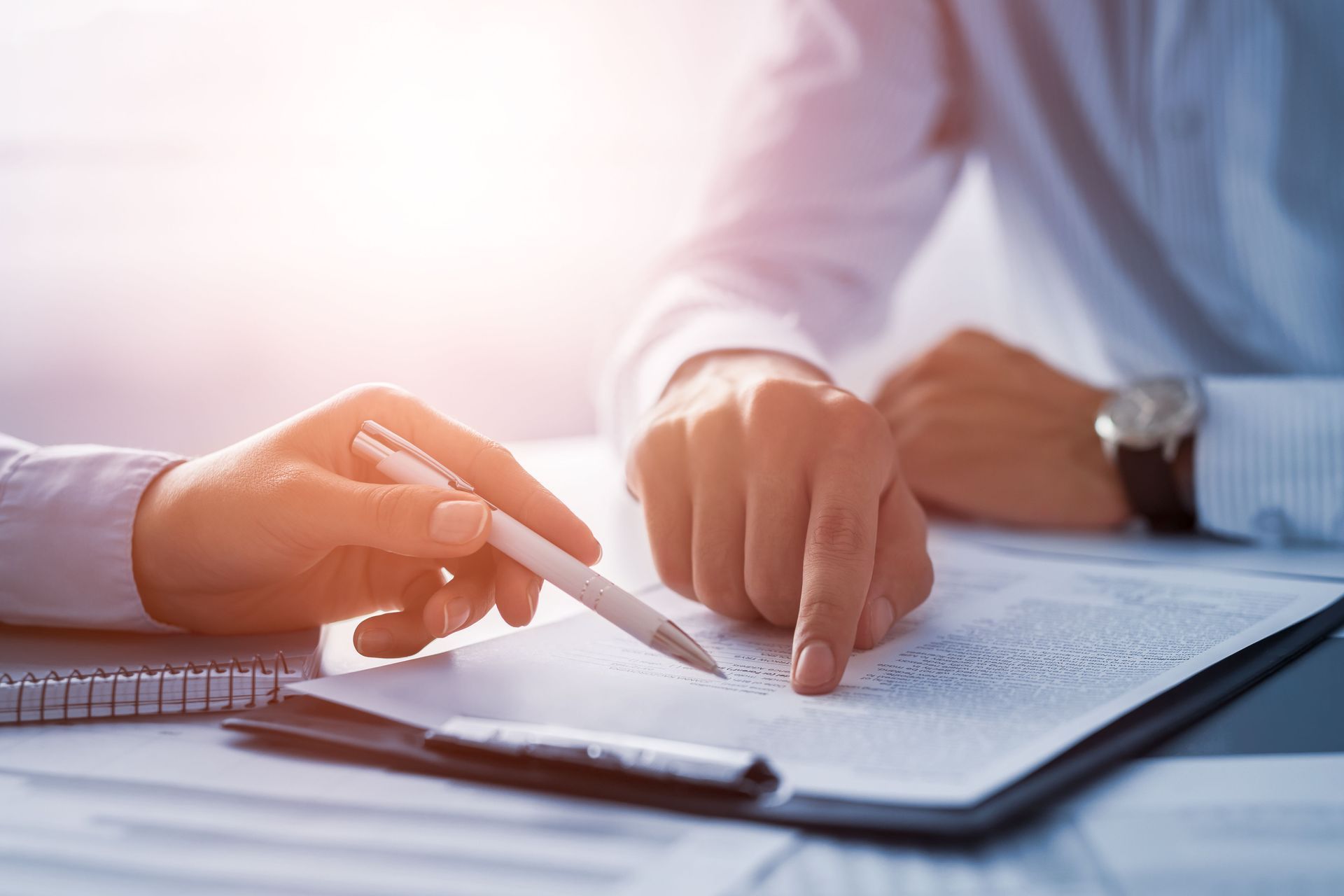
Proper documentation is vital for a smooth claims process. This includes details of the accident, photos of the damage, police reports, and witness statements. Having a comprehensive set of documents ready helps validate the claims swiftly. It is advisable for drivers to keep copies of their insurance policy terms and any relevant communication. The thoroughness of documentation can significantly speed up claims evaluation and processing by the insurer before you initiate any salvage rebuilding or bodywork.
Understanding the Claim Approval Process
The approval process can be exhaustive, involving various checks and balances to ensure claim validity. Insurance companies may review the incident details, policy coverage, and provided documentation during this phase. Grasping the approval process can help policyholders set realistic expectations about timelines and outcomes. Open communication with insurers can preclude misunderstandings or delays in claim approval. Knowledge of potential bottlenecks enhances preparedness and diminishes frustration during this vital stage before scheduling your collision repair.
Coordinating With Local Repair Shops
Adjusters shoulder the responsibility of determining the validity and value of claims while liaising between insurance companies and facilities that handle collision repair. This coordination ensures that repairs meet all insurance stipulations and industry standards. Effective communication between adjusters and repair facilities can expedite the claim resolution process. Adjusters may recommend preferred repair shops, but policyholders always have the choice of choosing their own preferred facility. A collaborative relationship between repair shops and adjusters leads to efficient repair processes and highly satisfied customers.
Providing Transparent Estimates to Customers
Providing transparent and detailed repair estimates is vital for earning customer confidence. Accurate breakdowns of anticipated repair costs give clients insights into how their vehicles are restored during a collision repair. Customers equipped with detailed cost understandings are better positioned to evaluate insurance coverage adequacy for paint repair or frame straightening. Transparent estimates eliminate ambiguity and foster discernment among policyholders. This clarity aligns expectations and mitigates dissatisfaction over repair outcomes, culminating in overall customer satisfaction.
Negotiating Complex Supplementary Claims
Supplementary claims necessitate additional negotiation when initial repairs uncover unforeseen damages. Repair shops play a proactive role in filing supplementary claims to secure additional insurance funds. Maintaining clear documentation and supplementary evidence supports expedited claim approvals. Effective negotiation of supplementary claims prevents repair stalls, ensuring smooth completion of the restoration process. Adept negotiation skills ensure insurance provisions encompass all required services, from initial teardowns – ensuring top quality – to the final stages of a thorough collision repair.
Choosing OEM Versus Aftermarket Parts
The decision between original equipment manufacturer parts and aftermarket alternatives presents a common dilemma. While OEM parts prove advantageous for exact specifications and compatibility, aftermarket parts can decrease costs. By understanding the pros and cons of different parts, shops equip customers to make informed decisions. Both part types meet differing budget, quality, and need considerations, warranting comprehensive evaluation. Expert advice on parts selection thus holds customer benefit at its forefront during any auto body insurance work.
Dealing With Non-Covered Repairs
Non-covered repairs can complicate the claims process for drivers. Identifying coverage limits and advising customers accordingly helps manage their expectations early on. Shops that provide comprehensive assessments minimize surprises, presenting customers with full clarity regarding potential liabilities. Open discussion regarding parts classifications helps customers understand possible additional expenses. Insightful consultation is essential for helping clients decide on non-covered repairs and achieving optimal repair outcomes.
Restoring Damaged Vehicles Together
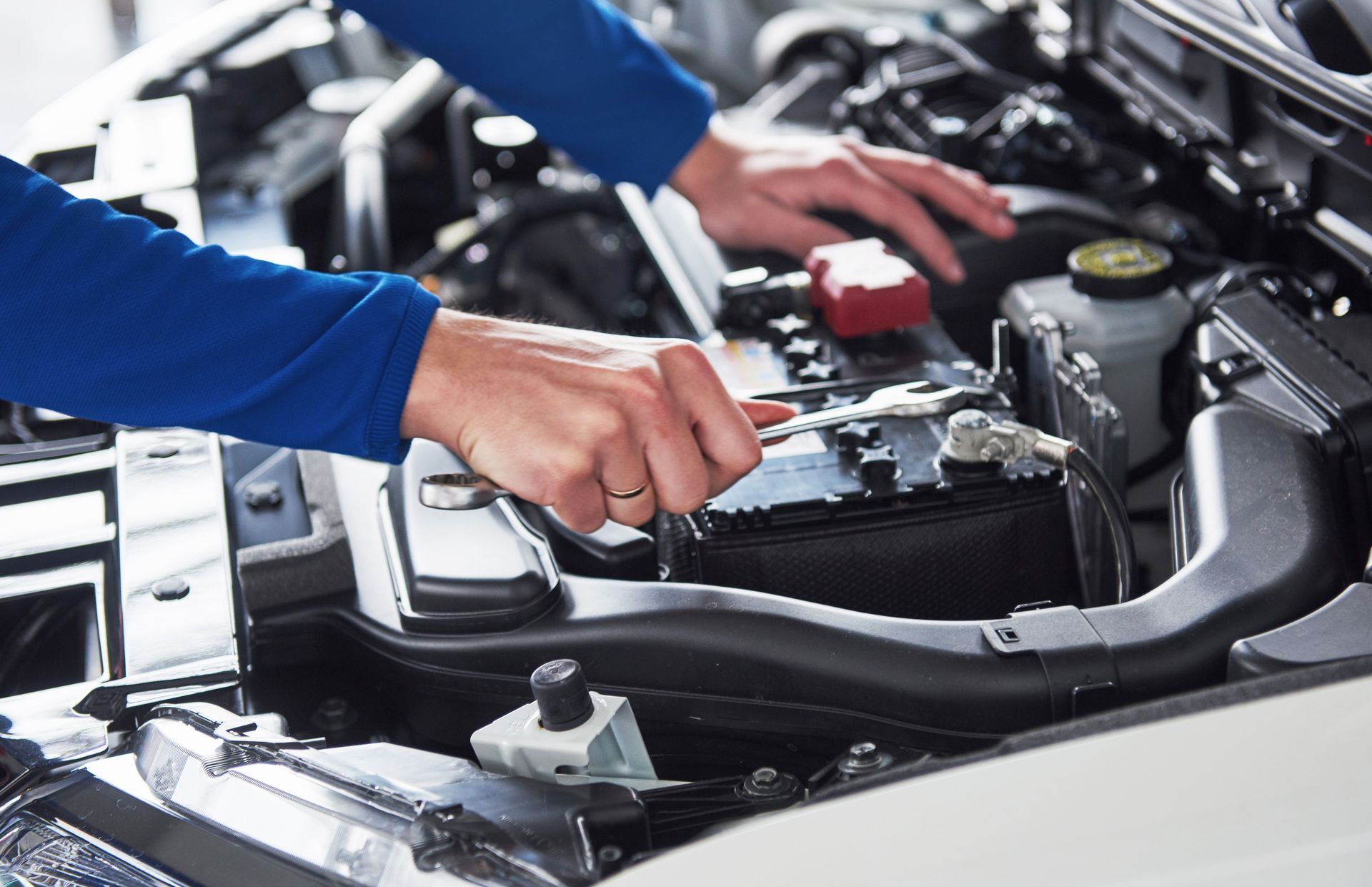
Auto body shops play a crucial role in ensuring that vehicles are restored to their pre-accident condition, with insurance companies providing the necessary financial support. The collaboration between these businesses ensures that the process is smooth and beneficial for all parties involved. Grasping the intricacies of this relationship can help both consumers and industry professionals navigate the repair process more effectively. This collaborative synergy fosters efficient claim processing and vehicle reparations. Ultimately, optimizing these interactions leads to enhanced satisfaction, seamless operations, and improved financial outcomes for all stakeholders requiring collision repair. At First Stop Auto Body & Service, we proudly serve drivers looking for auto body shops. Contact us today to schedule your auto body insurance work and let our team get you safely back on the road!
Share On: